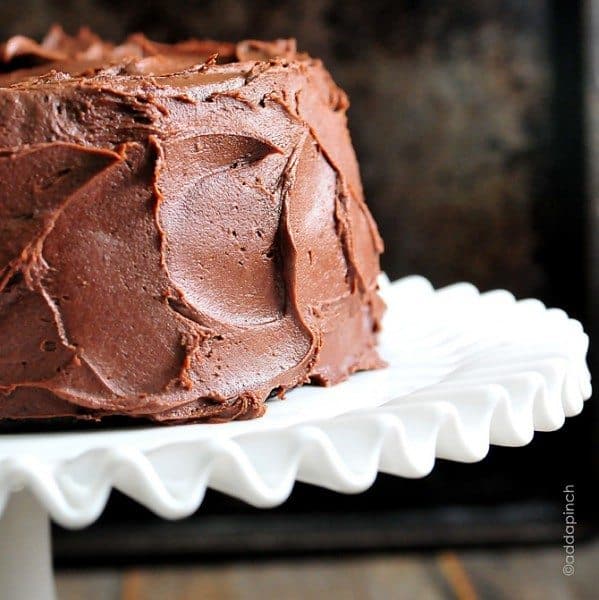
There's something truly magical about a rich, smooth, and utterly decadent chocolate buttercream frosting. It transforms a simple cake or cupcake into an extraordinary dessert, leaving a lasting impression with every velvety bite. But achieving that elusive, perfectly creamy texture and deep chocolate flavor isn't always a given. Often, bakers find themselves with a frosting that's either too lumpy, too stiff, too thin, or lacking in that distinctive chocolate punch. The secret, as with many culinary masterpieces, lies not just in the recipe itself, but in a precise understanding of its core ingredients and how they work together.
If you've been on a quest to master the perfect chocolate buttercream frosting recipe, this comprehensive guide will equip you with the knowledge to create a frosting that is consistently smooth, stable, and bursting with rich flavor. We'll delve into each key ingredient, explaining its crucial role and offering insights to elevate your buttercream from good to truly exceptional.
The Foundation of Flavor and Texture: Why Ingredients Matter
While the steps of a recipe are important, the quality and condition of your ingredients are paramount to achieving a superior frosting. Think of it like building a house: even the best blueprints won't result in a sturdy structure if the materials are subpar. For chocolate buttercream, every component, from the butter to the dash of espresso powder, plays a specific role in contributing to its rich flavor, creamy mouthfeel, and structural integrity. Understanding these roles is the first step toward crafting a frosting that stands out.
Butter: The Heart of Creaminess
Butter is undeniably the star of any buttercream. It provides the luxurious richness, body, and smooth texture that defines this frosting. But it's not enough to simply use butter; its temperature is absolutely critical. For the creamiest, most homogenous frosting, you must use softened butter.
- Why Softened Butter? When butter is softened to room temperature (around 68-72°F or 20-22°C), its fat molecules become pliable and distribute evenly. This allows it to effortlessly emulsify with the other ingredients, particularly the sugar and cocoa powder, creating a unified, creamy base. Crucially, softened butter can also trap more air during the creaming process, resulting in a lighter, fluffier texture.
- The Risks of Improper Butter Temperature: If your butter is too cold, it won't combine properly, leading to a lumpy, chunky frosting with an unpleasant texture. If it's too warm or melted, the fat will separate, resulting in a greasy, unstable, and often thin frosting that lacks body and sheen.
- Pro Tip: How to Soften Butter Perfectly: Plan ahead by taking butter out of the fridge at least an hour before you start. If you're short on time, cut it into smaller cubes. Avoid microwaving it to liquid; instead, use short, 5-10 second bursts, flipping it between each, until it's pliable but still cool to the touch. You should be able to press a finger into it easily, leaving an indentation, without it melting.
Unsweetened Cocoa Powder: The Depth of Chocolate
The chocolate flavor in your buttercream comes directly from the cocoa powder, and its quality significantly impacts the final taste and color. This is where you truly define the intensity and nuance of your chocolate experience.
- Natural vs. Dutch-Processed vs. Cacao:
- Natural Cocoa Powder: This is the most common type, light brown in color, and naturally acidic. It has a sharp, intense chocolate flavor that works beautifully in many recipes.
- Dutch-Processed Cocoa Powder: This cocoa has been treated with an alkali to neutralize its acidity. It's darker in color, often a deep reddish-brown, and boasts a smoother, milder chocolate flavor. Its reduced acidity means it won't react with baking soda (it typically pairs with baking powder).
- Raw Cacao Powder: Less processed than natural or Dutch-processed, raw cacao powder retains more nutrients and has a very rich, slightly bitter, and robust chocolate flavor. You might find you need to use a bit less of it due to its intensity.
- The Absolute Necessity of Sifting: This step cannot be overstated for a truly smooth buttercream. Cocoa powder is notorious for clumping, and those tiny lumps are incredibly difficult to break down once mixed into butter. Sifting ensures a uniform, lump-free powder that incorporates seamlessly, preventing those bitter, gritty pockets in your finished frosting. Don't skip this!
Confectioner's Sugar: Sweetness and Structure
Also known as powdered sugar or icing sugar, confectioner's sugar is essential for both sweetening and giving the frosting its desired structure and smooth texture.
- Fine Grain for Smoothness: Unlike granulated sugar, confectioner's sugar is finely milled, often with a small amount of cornstarch to prevent caking. This incredibly fine texture is what allows it to dissolve and combine easily with the butter and other liquids, contributing directly to the creamy, velvety consistency we all desire. Coarser sugars would result in a gritty frosting.
- Sifting Confectioner's Sugar: While some recipes, and even experienced bakers, might skip sifting powdered sugar, it's still a good practice if your sugar appears clumpy. Powdered sugar can absorb moisture and compact, forming soft lumps. A quick sift ensures a completely smooth result, though it's often less critical than sifting cocoa powder.
Milk (or Cream): The Liquid That Binds and Smooths
The liquid component in your buttercream acts as a binder, helps dissolve the sugar, and allows you to adjust the consistency to your desired thickness. But just like butter, its type and temperature are key.
- Higher Fat Content for Creaminess and Stability: Opt for whole milk, half-and-half, or heavy cream. The higher fat content in these liquids contributes significantly to the overall creaminess and stability of the frosting. Reduced-fat milk can make the frosting less rich and potentially thinner.
- Room Temperature is Crucial: Similar to butter, cold milk can shock the butter and other ingredients, causing them to separate or seize up, leading to a grainy or curdled texture. Always ensure your milk (or cream) is at room temperature before adding it to your frosting base.
- Adjusting Consistency: Begin with the recommended amount, then add more liquid, a teaspoon at a time, to reach your ideal piping or spreading consistency.
The Secret Weapon & Flavor Enhancers
Beyond the primary structural ingredients, these flavor boosters play a vital role in elevating your chocolate buttercream from merely good to truly unforgettable.
Vanilla Extract: The Universal Enhancer
A touch of vanilla extract is a non-negotiable for almost any sweet recipe. It doesn't necessarily impart a strong vanilla flavor, but rather enhances and rounds out the other flavors.
- Pure vs. Imitation: Always opt for pure vanilla extract over imitation vanilla flavoring. The complex, nuanced notes of real vanilla are far superior and contribute depth that synthetic flavorings simply cannot replicate. For an even more special touch, consider making your own homemade vanilla extract.
Espresso Powder: The Ultimate Chocolate Booster
This is often the secret ingredient that takes a great chocolate buttercream to the best chocolate buttercream. While optional, it's highly recommended.
- Amplifying Chocolate, Not Adding Coffee: The magic of espresso powder is that it doesn't make your frosting taste like coffee (unless you add a lot). Instead, its subtle bitterness works synergistically with the cocoa powder, intensifying and deepening the chocolate flavor, making it taste richer and more complex. It's much like how a pinch of salt enhances the sweetness in a dessert.
- Availability: Espresso powder is readily available in most grocery stores, specialty cooking shops, or online. A little goes a long way!
Mastering the Technique: Beyond the Ingredients
While premium ingredients lay the groundwork, impeccable technique is what truly brings forth that smooth, luxurious finish. Even with the best butter and cocoa, hurried or improper mixing can sabotage your efforts.
The Art of Mixing for Smoothness
- Creaming Butter and Cocoa First: Start by thoroughly beating your softened butter with the sifted cocoa powder. This initial step ensures the cocoa is fully dispersed in the fat, preventing dry pockets and creating a rich, uniform base before any liquid or sugar is added. Beat until light and creamy.
- Alternating Sugar and Milk: When adding the confectioner's sugar and milk, do so alternately. This method helps to incorporate the dry ingredients gradually, preventing a dusty explosion and allowing them to be fully absorbed. Begin and end with powdered sugar.
- High-Speed Whipping for Fluffiness: After each addition of sugar and milk, beat the mixture on high speed for about a minute. This crucial step incorporates air, making the frosting wonderfully fluffy, light, and incredibly smooth. Don't underestimate the power of thorough whipping to transform the texture.
- Scraping the Bowl: Frequently stop your mixer and scrape down the sides and bottom of the bowl with a spatula. This ensures all ingredients are evenly incorporated, preventing streaks of unmixed butter or sugar.
Troubleshooting for a Flawless Finish
Even with careful attention, sometimes things don't go exactly as planned. Here are quick fixes for common issues:
- Lumpy Frosting: Likely due to unsifted cocoa powder or cold butter. If lumps persist, try warming a small portion of the frosting slightly (e.g., in a microwave-safe bowl for 5-10 seconds), then re-mixing. For severe lumps, a quick blitz with an immersion blender might help.
- Grainy Texture: Often caused by cold milk or insufficient mixing time. Ensure all ingredients are at room temperature. Beat on high speed for an extra 2-3 minutes to help dissolve any sugar crystals.
- Too Thick: Add more room temperature milk or cream, one teaspoon at a time, beating well after each addition until desired consistency is reached.
- Too Thin: Gradually add more sifted confectioner's sugar, one tablespoon at a time, until the frosting thickens. Alternatively, chill the frosting for 15-20 minutes, then re-whip.
Achieving the perfect chocolate buttercream frosting recipe with a smooth, luxurious finish is a truly rewarding endeavor. By understanding the critical role each ingredient plays—from the softened butter and sifted cocoa to the precise temperature of your milk and the secret touch of espresso powder—you can confidently create a frosting that is consistently rich, creamy, and undeniably delicious. Follow these guidelines, pay attention to the details, and prepare to elevate your desserts to a whole new level of chocolatey decadence.
